

Leave Your Message
Choosing Water Ice Vape products for global sourcing requires more than comparing flavors, prices, or glossy packaging. Buyers must verify legal eligibility, age restrictions, ingredient disclosure, manufacturing records, battery safety, and destination-market labeling. Requirements vary sharply between countries. A product accepted in one market may be prohibited or restricted elsewhere.
Public data reinforces this caution. The World Health Organization’s WHO Report on the Global Tobacco Epidemic 2023 reported approximately 1.3 billion tobacco users worldwide, while the CDC’s 2024 National Youth Tobacco Survey recorded 1.63 million current U.S. student e-cigarette users. These figures make responsible sourcing essential, especially for youth-protection controls. Dr. Brian King, director of the FDA’s Center for Tobacco Products, stated, “There is no safe tobacco product.” His warning should guide every supplier audit, not merely marketing language.
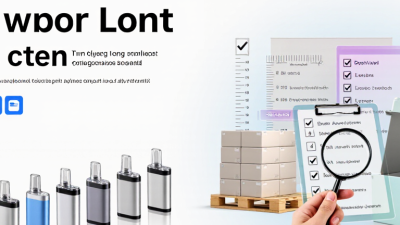
Reliable sourcing begins with evidence. Request batch-specific certificates of analysis, laboratory accreditation, manufacturing-site details, recall procedures, and traceable packaging samples. Inspect the actual device, including seals, airflow controls, charging ports, and printed warnings. Do not rely on a supplier’s website alone. Independent testing remains valuable.
Market reports can help estimate demand, but their categories often differ. Some combine vapor devices, e-liquids, and accessories. That creates misleading comparisons. No checklist is perfect. A low-cost sample may still conceal unstable documentation or inconsistent flavor batches. Therefore, global buyers should build a country-by-country compliance matrix and review it with qualified local counsel before placing orders. Water Ice Vape sourcing should prioritize consumer safety, transparent records, and lawful market access over fast volume growth.
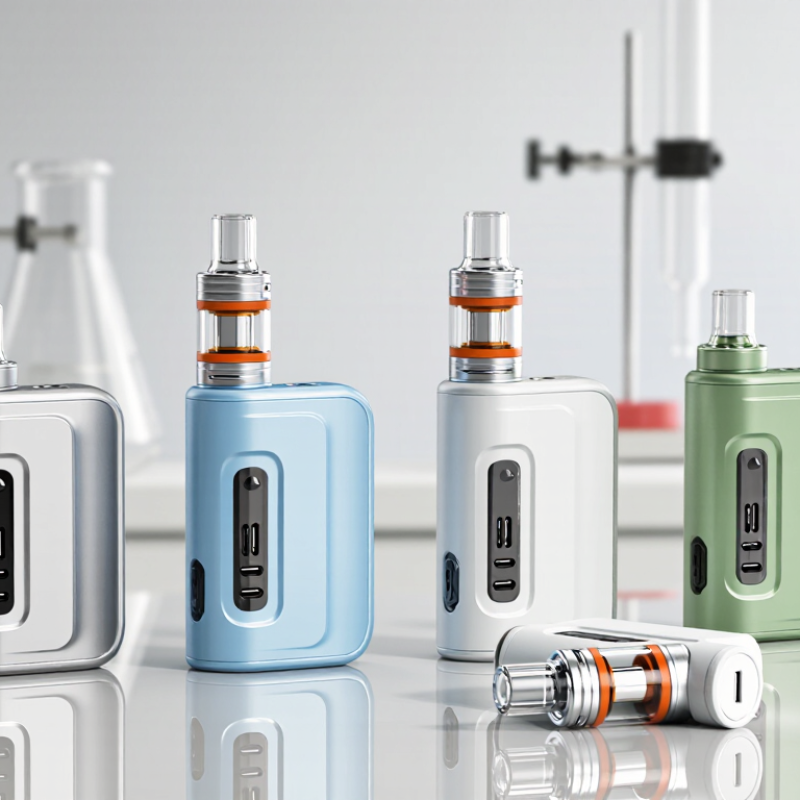
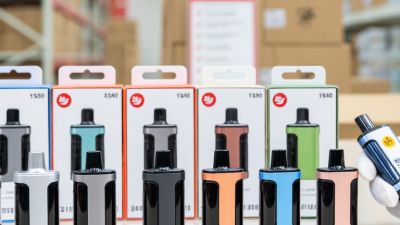
Water ice vape products are not one uniform category. For global sourcing, define them by hardware, liquid, and cooling profile. Common types include closed-pod systems, open refillable devices, and single-use devices where legally permitted. “Water ice” usually describes a cool flavor sensation, not a water-based liquid. Confirm the formulation carefully. Propylene glycol, vegetable glycerin, flavorings, and nicotine content require separate documentation.
Grand View Research estimated the global e-cigarette market at about USD 22.7 billion in 2023. This growth increases supplier choice, but also increases quality risks. The World Health Organization’s 2023 tobacco report shows that electronic nicotine products face different controls across markets. Buyers should request batch-level laboratory reports, ingredient lists, emissions testing, battery safety records, and child-resistant packaging evidence. Requirements may include nicotine limits, warning labels, language rules, recycling marks, and product registration. A practical specification should state capacity, resistance, charging method, puff estimate, cooling intensity, and acceptable leakage rate. Puff counts can be optimistic.
Tips: Ask for three production samples. Test them after heat and transport simulation. Check whether the cooling effect remains stable after storage. Verify certificates with the issuing laboratory, not only supplier screenshots. A common mistake is treating “ice” as a technical performance standard. It is usually a sensory description, so define it with measurable criteria, such as menthol concentration, temperature perception, and consumer panel scores. Suppliers should also confirm destination-market age controls and sales restrictions before any purchase agreement.
| Product Type | Product Definition | Typical Commercial Specification | Water Ice Flavor Requirements | Key Sourcing Requirements | Compliance and Quality Checkpoints |
|---|---|---|---|---|---|
| Prefilled Disposable | A sealed, prefilled vaping device intended for single-use or disposal after the e-liquid or battery is depleted. | Common market formats range from approximately 2 mL to more than 10 mL, but legal limits differ by jurisdiction. Battery capacity, puff claims, airflow, and nicotine strength should be specified by destination market. | Stable fruit profile, controlled cooling sensation, consistent flavor from first puff to end of life, and no excessive sweetness or harsh aftertaste. | Define e-liquid volume, nicotine or nicotine-free version, device activation, coil resistance, battery capacity, leakage tolerance, packaging format, and quantity per carton. | Verify applicable pre-market authorization, product notification, nicotine warnings, child-resistant packaging where required, electrical safety, transport classification, and truthful puff statements. |
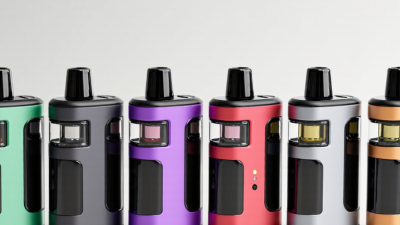
| Closed Pod System | A reusable electronic device that accepts sealed, prefilled pods which are replaced when empty. | Pod capacity is commonly around 1.5–2 mL in regulated markets, with rechargeable battery, USB charging, and a fixed or replaceable pod interface. | The flavor should remain consistent across pod batches and should be compatible with the device coil and wicking material without excessive residue. | Confirm pod-to-device compatibility, magnetic or mechanical connection, electrical contacts, charging specification, fill volume, leak resistance, and replacement-pod availability. | Require battery protection, overcharge and short-circuit protection, labeling of nicotine content where applicable, ingredient documentation, and market-specific product registration. |
| Open Pod or Refillable Device | A reusable device with a refillable tank or pod, used with separately supplied e-liquid. | Typical operating features include adjustable airflow, rechargeable battery, refillable reservoir, and low-to-medium power output; exact specifications vary by design. | Select a formulation viscosity suitable for the coil and power range. Confirm cooling intensity, flavor stability, and compatibility with the intended wick and coil materials. | Specify coil type, resistance range, recommended power, tank capacity, refill method, spare-parts package, user instructions, and compatibility with local e-liquid formats. | Check electrical safety, battery transport requirements, consumer instructions, age-restricted sales rules, and applicable limits for refill containers and tanks. |
| Nicotine E-Liquid | A bottled liquid intended for use in a compatible refillable vaping device, available with or without nicotine depending on the market. | Common formulations use propylene glycol, vegetable glycerin, flavorings, and optional nicotine. Nicotine strengths, bottle volumes, and permitted ingredients are jurisdiction-specific. | Define fruit identity, cooling agent, sweetness level, color target, flavor concentrate ratio, steeping period, and batch-to-batch sensory tolerance. | Request full formulation documentation, raw-material specifications, certificates of analysis, batch coding, shelf-life data, filling accuracy, tamper evidence, and child-resistant closure where required. | For the European Union, nicotine concentration is generally limited to 20 mg/mL and refill containers to 10 mL under the Tobacco Products Directive framework; destination-market rules must be confirmed before purchase. |
| Nicotine-Free E-Liquid | A vaping liquid formulated without intentionally added nicotine for use in compatible refillable devices. | Usually specified by PG/VG ratio, bottle volume, flavor concentration, cooling level, and recommended coil or power range. | Use a clear fruit-and-ice sensory profile with documented flavor notes, cooling intensity, color, aroma, and acceptable variance between production lots. | Require nicotine-free verification, ingredient traceability, contaminant testing, packaging compatibility, leakage testing, storage conditions, and a defined sensory approval process. | Do not assume nicotine-free products are unregulated. Confirm local rules for ingredients, advertising, product notification, health warnings, taxation, and age restrictions. |
| Replacement Cartridge or Pod | A replacement consumable containing a prefilled or refillable reservoir and an integrated or replaceable heating element. | Usually specified by reservoir volume, coil resistance, material, connection method, expected service life, and pack quantity. | Confirm that the flavor formula does not cause accelerated coil discoloration, clogging, excessive condensation, or flavor carryover between pods. | Validate fit, electrical contact, seal performance, draw resistance, filling consistency, storage stability, and compatibility with the target device. | Check packaging waste obligations, material declarations, recycling markings, child-safety requirements, and destination-market restrictions on prefilled nicotine products. |
| Rechargeable Battery Device | A reusable electronic vaping hardware unit supplied without e-liquid or supplied with a separate compatible consumable. | Key parameters include battery chemistry, nominal voltage, capacity, charging current, connector type, power range, airflow design, and protection functions. | Hardware should deliver the intended cooling and flavor intensity without overheating, dry hits, or excessive vapor-temperature variation. | Request technical drawings, battery test reports, firmware or control specifications, charging cables, spare parts, packaging configuration, and carton drop-test requirements. | Assess applicable electrical, battery, electromagnetic compatibility, transport, recycling, and product-safety requirements before shipment. |