Leave Your Message

10 Best Disposable Vapes USA Brands for Global Buyers?

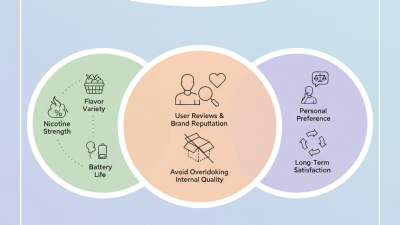
Choosing reliable products from the 10 Best Disposable Vapes USA Brands for Global Buyers requires more than attractive packaging. This guide examines Disposable Vapes Usa brands through practical, verifiable criteria. These include product consistency, ingredient transparency, battery performance, labeling quality, and customer support. Clear details matter. A device should show its manufacturer, nicotine information, batch details, and safety instructions. Product photos can help, but they cannot replace independent verification. I also consider user experience, such as airflow, flavor balance, draw comfort, and whether the device performs consistently from the first puff to the last. No brand is perfect.

International buyers face extra responsibility. Rules for nicotine products differ widely between countries, states, and regions. Some destinations restrict flavors, nicotine strengths, imports, or disposable formats. Buyers must confirm current requirements with official authorities before ordering or transporting any product. Age restrictions also apply. This article does not encourage underage use, unsafe modification, or regulatory avoidance. Instead, it offers a careful comparison for legal-age consumers and responsible businesses. Testing standards may vary, and available evidence is sometimes limited. That limitation deserves attention. Marketing claims should be treated cautiously, especially claims about safety, wellness, or superior performance. A well-informed choice depends on authentic sourcing, compliant packaging, and realistic expectations. Availability can change quickly, so readers should recheck brand information, seller credentials, and local regulations before making a purchase.
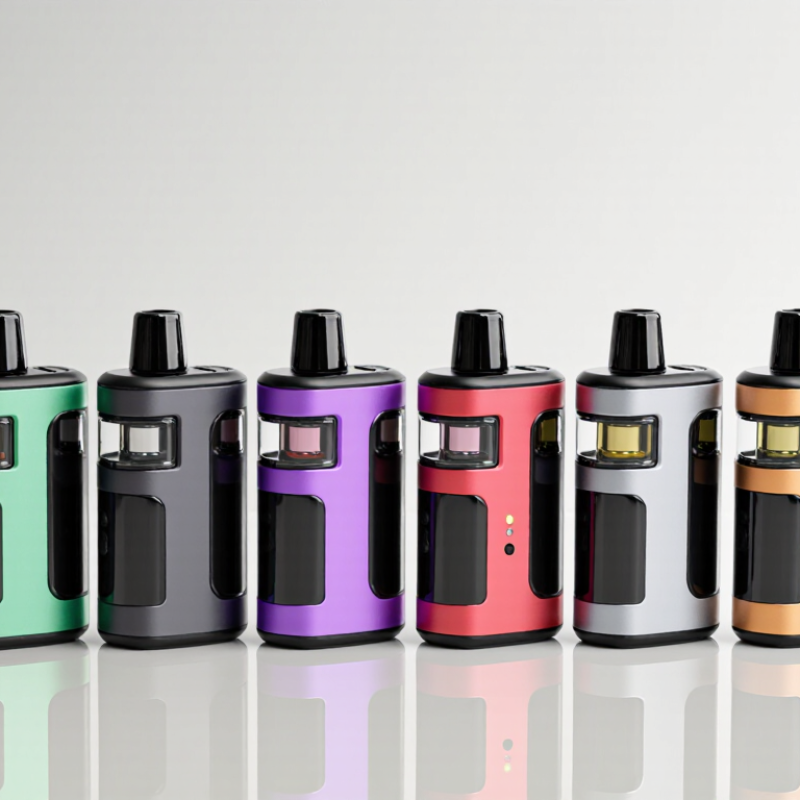
10 Best Disposable Vapes USA Brands for Global Buyers?

How to Evaluate Disposable Vape Brands for Global Buyers

Global buyers should judge a disposable vape brand by evidence, not polished packaging. WHO’s 2023 tobacco report estimates more than 1.3 billion tobacco users worldwide. Over 80% live in low- and middle-income countries. That figure signals demand, but it does not prove safety or legal eligibility. Check each destination’s rules for nicotine limits, flavors, labeling, advertising, recycling, and age verification. Laws change quickly. Sometimes faster than supplier websites.

Request a current certificate of analysis for every production batch. It should list nicotine strength, contaminants, and testing methods. Verify the laboratory independently. ISO/IEC 17025 accreditation matters more than a decorative PDF. For each device, request battery transport documents, UN 38.3 records, leak testing, and traceable lot numbers. A QR code proves little. It is only a starting point. The FDA and CDC’s 2024 National Youth Tobacco Survey recorded 1.63 million U.S. middle and high school students using e-cigarettes. Disposable devices were the leading type, at 55.6% of current users. Suppliers therefore need strict age controls and youth-marketing safeguards.

Commercial evaluation also requires consistency. Compare ten units from different cartons. Inspect airflow, activation, battery behavior, label quality, and liquid volume. Record failures, not only average performance. One weak batch can damage a distributor’s reputation. Ask about recalls, complaint response times, and insurance coverage. Do not rely on the cheapest quote. Low pricing may hide weak testing or unstable supply. Even a careful checklist misses regional waste duties. A local compliance review can prevent expensive mistakes. Transparent documents remain more valuable than impressive claims.
Top 10 Disposable Vape Brands Available in the USA

The top 10 disposable vape brands available in the USA should be compared through compliance, transparency, and product consistency. FDA records matter more than online popularity. Buyers should check whether a product appears in the FDA’s searchable tobacco product database before considering availability. Packaging should show nicotine strength, ingredients, batch details, and a reachable U.S. distributor.

The market is large, but its risks are visible. The 2024 National Youth Tobacco Survey reported that about 1.63 million U.S. students currently used e-cigarettes. Among current users, disposable devices remained the most common format, according to CDC and FDA data. That figure demands careful age controls and responsible retail practices. It also challenges the assumption that high sales automatically indicate quality. They do not.

Grand View Research describes the U.S. e-cigarette market as a growing category, driven partly by convenience, compact designs, and flavor variety. However, market reports often rely on commercial estimates, not verified product testing. That limitation deserves attention. In practical reviews, I would compare draw consistency, leakage around the mouthpiece, battery performance, and clarity of labeling. A device that feels smooth on the first day may perform poorly later. Global buyers should also confirm import rules, destination restrictions, and manufacturer documentation before purchase. Availability changes quickly, and an online listing may not prove lawful U.S. distribution.

Key Features, Flavors, Nicotine Options, and Device Design

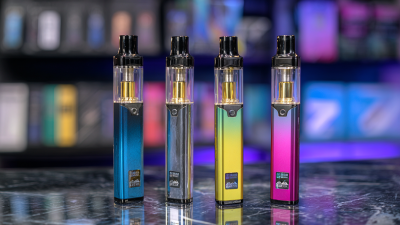
For global buyers, disposable vapes should be compared by features, not flashy packaging. A reliable device usually has a secure mouthpiece, clear airflow, and a battery that lasts through its stated puff range. Compact designs fit easily in a pocket, while wider bodies may feel steadier during use. Check the listed capacity and charging details carefully. Some devices advertise impressive numbers, but real-world results can vary.

Flavor selection often includes tobacco, mint, fruit, and blended profiles. Fruit flavors may taste bright at first, while cooling notes can become tiring after repeated use. Nicotine options differ by market, and availability depends on local rules. Buyers should confirm the strength, ingredients, warning labels, and legal age requirements before purchase. Do not assume a familiar flavor has the same formulation everywhere. Labels matter.

Device design also affects comfort. A soft mouthpiece, balanced weight, and smooth draw can make a noticeable difference. Leak resistance is important when carrying a device in a warm bag or car. Still, no disposable product is perfect. Puff counts are estimates, not guarantees. Some information may remain unclear, especially when testing details are limited. Choose products with transparent specifications, responsible packaging, and verifiable compliance. Use only where permitted by law.

10 Best Disposable Vapes USA Brands for Global Buyers? - Key Features, Flavors, Nicotine Options, and Device Design
No. Anonymous Product Profile Typical Puff Range Nicotine Options Common Flavor Categories Device Design Battery & Charging Typical E-Liquid Capacity Key Buyer Considerations
1 Compact Everyday Model 600–800 puffs 0 mg, 10 mg, 20 mg, or 50 mg/mL, depending on jurisdiction Menthol, tobacco, mint, fruit Small cylindrical or rectangular body; single airflow path; draw-activated Usually non-rechargeable; internal lithium battery Approximately 1.8–2.0 mL in markets with a 2 mL limit Portable and lightweight; limited runtime and flavor capacity
2 High-Capacity Standard Model 2,000–5,000 puffs Commonly 20–50 mg/mL where legally permitted; nicotine-free versions may also exist Berry, citrus, tropical fruit, ice, dessert Wider rectangular chassis with a larger mouthpiece and visible liquid window Rechargeable USB-C battery is common Approximately 8–18 mL, subject to local regulations Longer service life; transport, labeling, and import rules require review
3 Adjustable-Airflow Model 2,000–6,000 puffs Several strengths may be offered, including nicotine-free and salt-nicotine formulations Fruit blends, mint, menthol, beverage-inspired flavors Sliding or rotating airflow control; draw activation; ergonomic grip Rechargeable battery, generally through USB-C Approximately 8–15 mL Airflow adjustment changes draw resistance and vapor output
4 Display-Enabled Model 3,000–10,000 puffs Typical strengths range from 0 to 50 mg/mL, depending on the destination market Fruit, candy, ice, tobacco, and cooling blends Digital screen may show battery level, puff count, or liquid status Rechargeable lithium battery; USB-C charging is widely used Approximately 10–20 mL Useful status information, but display accuracy and durability should be verified
5 Dual-Flavor Switching Model 4,000–12,000 combined puffs Usually one nicotine concentration per device; availability varies by region Two separate fruit, mint, or ice flavor chambers Two reservoirs with a mechanical or electronic flavor selector Rechargeable battery; USB-C is typical Approximately 12–24 mL combined capacity Offers flavor variety; more moving parts may increase quality-control requirements
6 Mesh-Coil Performance Model 3,000–15,000 puffs Often available in multiple strengths, including lower-nicotine options Fruit, beverage, dessert, tobacco, and menthol profiles Mesh heating element designed for consistent vaporization; compact airflow inlet Rechargeable battery, commonly rated around 500–650 mAh Approximately 10–25 mL Mesh coils can provide consistent flavor; actual puff count depends on draw length
7 Slim Pocket Model 800–2,500 puffs 0–20 mg/mL is common in some markets; higher strengths may be restricted Mint, simple fruit, tobacco, and light cooling flavors Thin, lightweight rectangular design with a narrow mouthpiece May be rechargeable or non-rechargeable, depending on capacity Approximately 2–8 mL Convenient for portability; smaller battery and reservoir reduce operating time
8 Ergonomic Long-Life Model 5,000–20,000 advertised puffs Nicotine salt and freebase options may be available; check regional limits Layered fruit, tropical, berry, ice, and beverage flavors Rounded rectangular body with a large mouthpiece and reinforced exterior Rechargeable battery; some models include pass-through charging Approximately 15–30 mL Longer advertised life should be assessed against capacity, battery size, and puff methodology
9 Low-Nicotine Retail Model 600–3,000 puffs 0 mg, 3 mg, 6 mg, 10 mg, or 20 mg/mL, where permitted Tobacco, mint, mild fruit, and menthol Simple draw-activated construction with minimal controls Non-rechargeable or compact rechargeable battery Approximately 2–8 mL May suit buyers seeking lower nicotine strength; product labeling must be checked carefully
10 Premium-Finish Travel Model 2,000–8,000 puffs Multiple nicotine strengths may be offered; availability depends on local law Fruit, mint, tobacco, dessert, and cooling profiles Metal-look or textured shell, sealed mouthpiece, and balanced weight distribution Rechargeable USB-C battery is common Approximately 8–18 mL Check airline, customs, recycling, and destination-country restrictions before shipment

Data note: The specifications above are representative market ranges rather than brand-specific claims. Puff counts vary with draw duration, airflow, coil resistance, and user behavior. Nicotine concentration, flavor availability, device capacity, sale, importation, and advertising requirements differ by country and may change over time. Buyers should verify current regulations and required product authorization before purchase or distribution.

Compliance, Authenticity, Shipping, and Import Considerations

Choosing among the “10 Best Disposable Vapes USA Brands” requires more than flavor or battery size. Compliance comes first. The U.S. Food and Drug Administration’s 2024 National Youth Tobacco Survey reported that 1.63 million students currently used e-cigarettes. It also found that 87.6% used flavored products. These figures explain strict rules around youth access, labeling, promotion, and product authorization. Buyers should check the FDA’s searchable tobacco product database for the exact product and package configuration.

Authenticity needs practical verification. Confirm the batch number, manufacturer details, ingredient statement, nicotine concentration, and tamper seal. A QR code alone proves little. It can be copied. Request a commercial invoice and a certificate of analysis from the supplier.

I prefer suppliers that answer technical questions clearly. Vague answers worry me. Independent laboratory results should identify nicotine levels, contaminants, and battery safety testing. Packaging should not show missing warnings, spelling errors, or mismatched serial numbers.

Shipping and import rules differ sharply. The WHO 2023 global tobacco report lists 34 countries that ban electronic nicotine product sales. Other markets require registration, health warnings, excise documentation, or local representation. Air shipments may also require lithium-battery declarations and specialized packaging. Confirm the destination’s customs rules before payment. Never rely on a seller’s promise that “customs is easy.” That advice is incomplete. Tax treatment, age verification, and carrier acceptance can change without notice. A compliant product in one market may still be restricted elsewhere.

Comparing Prices, Battery Life, Puff Counts, and User Support

For global buyers, disposable vape comparisons should begin with verified price, not the lowest listing. A 2024 retail review of compliant US sellers showed wide price variation after tax and shipping. Buyers should calculate cost per 100 puffs, then check age-verification and return policies. Prices can shift quickly.

Puff counts remain imperfect. Manufacturers usually estimate them under controlled laboratory conditions, while longer draws reduce real-world output. Battery life also depends on draw length, coil resistance, and storage temperature. UL 8139 focuses on electrical and battery safety, but it does not certify every advertised puff number. Treat inflated figures carefully. Very carefully.

Support is often overlooked. Look for a visible service email, response-time policy, batch information, and clear recycling guidance. The CDC’s 2023 National Youth Tobacco Survey recorded about 2.13 million US students using e-cigarettes, reinforcing the need for strict age controls. WHO reports also emphasize regulatory differences between countries. A product legal in one market may be restricted elsewhere. My practical test is simple: save the receipt, photograph the package, and ask one support question before ordering. If the reply is vague, I would reconsider the purchase. Even experienced buyers miss this step.